
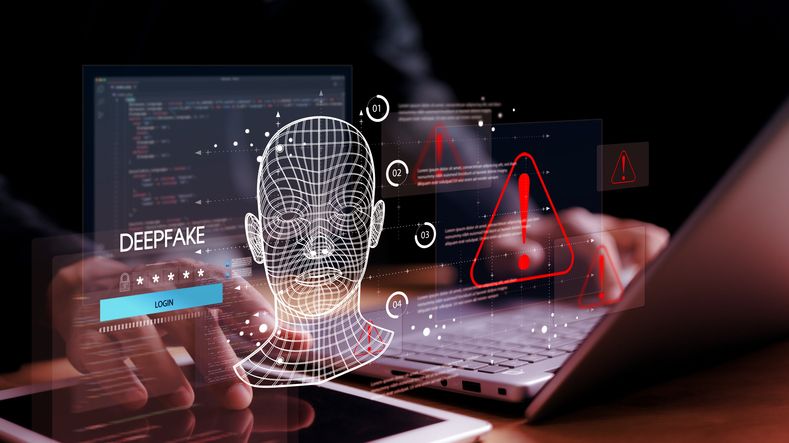
Case Study: WPP plc Deepfake Attack
Attackers impersonated the CEO and senior executives of WPP plc using AI-generated voice and video. After initial contact via WhatsApp, a highly convincing Microsoft Teams call was staged to reinforce legitimacy, with the aim of inducing a confidential payment and extracting sensitive information.This type of multi-channel, highly coordinated deception is becoming more common and more effective.
What's changing
Deepfake-enabled fraud:
- Targets people, not systems
- Bypasses traditional controls
- Can trigger rapid fund transfers without suspicion
"In many cases, there is no system breach, which is where coverage gaps can emerge."
How the Sync Cyber Wording Responds
Sync’s cyber wording is designed to address this exposure under Cyber Crime – Social Engineering Loss. The cover responds to: Financial loss resulting from a fraudulent instruction that misleads an employee and results in funds being transferred.
Importantly:
- No system breach required
- Applies where an employee is deceived
- Responds to modern attack methods, including:
- Email impersonation
- Voice cloning
Video deepfake
Why this matters
As these attacks become more sophisticated, clarity around how policies respond is critical. Ensuring coverage aligns to how losses actually occur is becoming a key part of cyber placement.
Working through a cyber risk?
Talk to Sync about how these exposures are being covered in practice.
Call us today on 1800 299 444 or email CEO Richard Smith: richard.smith@syncuw.com.au